

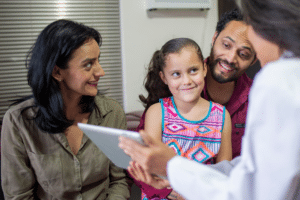
At Harwell & Cook Orthodontics, Dr. Anthony Harwell and Dr. Tanner Cook provide orthodontic care for patients of all ages, including children, teens, and adults. For younger patients getting braces, the first few weeks often involve adjusting to soreness, meals, oral hygiene, school routines, and knowing when a bracket or wire needs attention.
What Should Parents Expect During the First Few Days?
The first few days are often when braces feel the most noticeable. Your child may have mild soreness, tenderness while chewing, or irritation where brackets and wires touch the cheeks or lips.
Soft foods such as yogurt, scrambled eggs, pasta, soup, oatmeal, smoothies, and steamed vegetables can make meals easier while the teeth are tender. As soreness improves, your child can slowly return to a wider range of braces-friendly foods.
Orthodontic wax may help if a bracket or wire rubs against the inside of the mouth. Most early soreness improves as the mouth adjusts. If discomfort does not improve or part of the braces becomes loose or damaged, contact the orthodontic office.
What Daily Routine Helps Kids Care for Braces?
A simple routine can help braces become part of everyday life. The first month is a good time to build habits that fit around school, homework, sports, and other activities.
Brushing takes extra care because food and plaque can collect around brackets, wires, and the gumline. Encourage careful brushing instead of rushing. Flossing may also take longer, and younger children may need help until they are comfortable with the tools recommended for braces.
A small braces kit can make school days easier. A toothbrush, toothpaste, orthodontic wax, and recommended cleaning tools can help your child manage meals or minor irritation away from home.
Start with reminders and occasional checks, then give your child more responsibility as the routine becomes familiar.
Which Foods Make the First Month With Braces Easier?
Food choices affect both comfort and the braces themselves. Softer foods can help while the teeth are tender. Hard, sticky, or very crunchy foods should be avoided when they could damage brackets or wires.
Ice, hard candy, caramel, taffy, and popcorn can create problems for braces. Crunchy fruits and vegetables can often still be eaten if they are cut into smaller pieces instead of bitten into directly.
The American Association of Orthodontists offers an AAO food guide with examples of foods that are easier on braces and foods that may cause damage.
Keeping braces-friendly meals and snacks available at home can make these changes easier to follow without making your child feel restricted.
What Can Help Keep Braces Treatment on Track?
Regular care and scheduled orthodontic visits help treatment move forward as planned. Contact the orthodontic office if a bracket comes loose, a wire bends, or another problem affects comfort or function.
The habits your child learns during the first month should continue throughout treatment. Careful cleaning and following food instructions can lower the chance of preventable damage and extra repairs.
The goal is not perfection. It is helping your child understand how to care for braces and when a problem needs attention.
How Can You Support Your Child’s Confidence With Braces?
Some children are excited to get braces. Others may worry about how they look, eating at school, or taking part in sports and activities.
Acknowledge those concerns without making braces seem like a major disruption. Eating comfortably and cleaning around brackets may take practice, but these routines usually become easier with time.
Small milestones can help your child see progress. Getting through the first school lunch, remembering which foods to avoid, or handling more of the cleaning routine alone can make treatment feel less unfamiliar.
Children can usually keep playing sports with braces. Ask the orthodontic team which type of mouthguard is right for your child’s activity.
Ready to Help Your Child Start Braces With Confidence?
The first month with braces comes with adjustments, but preparation can make the transition easier. Knowing what to expect with soreness, food choices, cleaning, school routines, and minor braces problems can help your child settle into treatment.
If your child may be ready for orthodontic care, Harwell & Cook Orthodontics can explain what treatment may involve from the beginning. Dr. Harwell and Dr. Cook can evaluate your child’s orthodontic needs, explain the recommended plan, and answer questions about caring for braces at home.
Families considering braces in Amarillo, TX can schedule a consultation to learn more about treatment and help their child begin with clear expectations and confidence.